World · Union Post UK
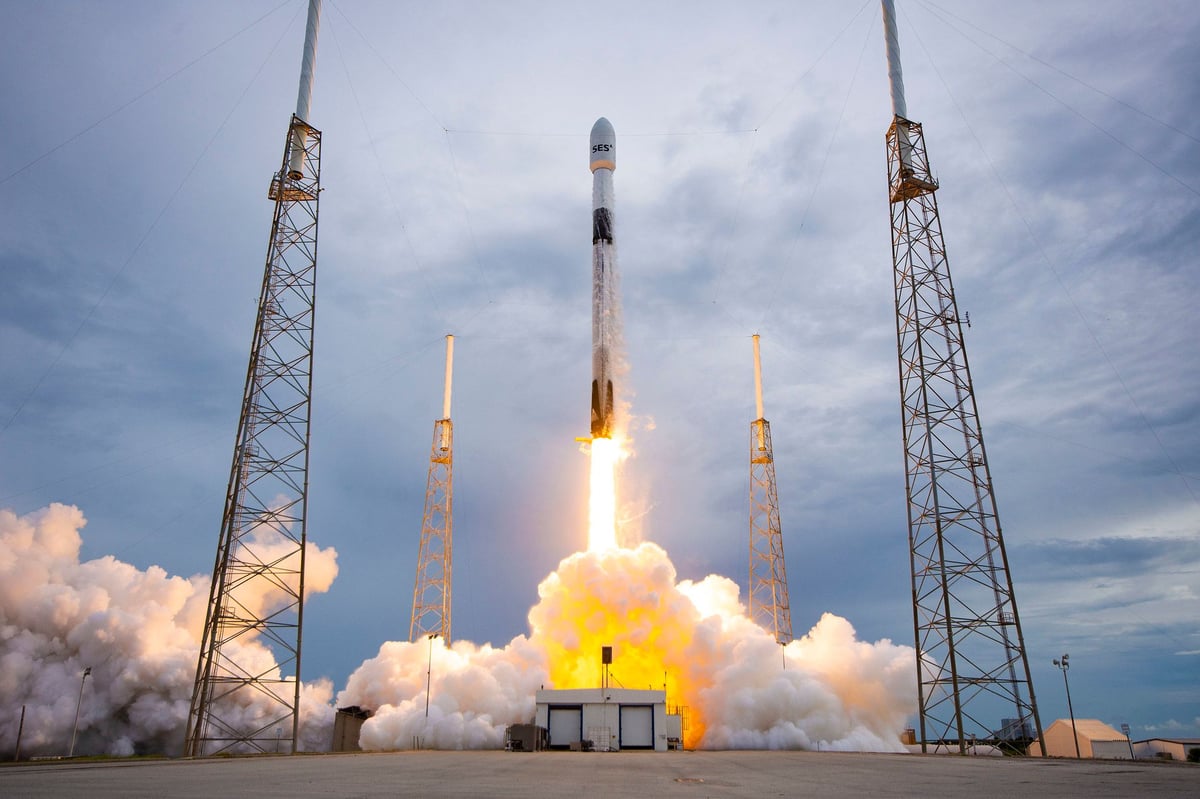
SpaceX ( SPCX -0.11% ) reported its third-quarter earnings on Oct. 20, and the results beat analyst expectations throughout the business. SpaceX produced revenue, earnings, and adjusted EBITDA that handily exceeded what analysts had been looking for, but that doesn't come close to telling the full story. With that in mind, here are five numbers from SpaceX's earnings that investors should pay attention to. 1.
Revenue nearly doubled sequentially Not only did SpaceX produce $14.6 billion in revenue, which came in well ahead of expectations, but this was nearly double what the company reported just three months prior. Much of this can be attributed to the company's AI compute deals taking effect. Plus, growth is starting to show up on the bottom line, with $2.8 billion in operating income versus a $273 million loss a year ago.
Image source: SpaceX. 2. AI was more than half of the revenue SpaceX's AI business (now known as the Super Intelligence segment) generated $7.6 billion in revenue during the third quarter, more than half of the company's total. This includes the Grok AI models, the recently acquired Cursor coding company, and the company's cloud computing services.
For context, Cursor contributed about $600 million to the total revenue, so most of it came from the existing AI business. 3. 1.6 million new Starlink subscribers Starlink ended the quarter with 13.6 million consumer subscribers, up 89% from a year ago. 1.6 million of them were added in the third quarter alone. Although average revenue per customer was $69 per month, down from $83 a year ago, this was by design, as the company is growing in lower-priced international markets and offering cheaper plans. SPCX Space Exploration Technologies $147.79 -$0.17 (-0.11%) NASDAQ · As of 4:00 PM ET 10/20/26 Starlink is the most profitable part of SpaceX's business, earning $2.4 billion in operating income on $5.2 billion in revenue, a stellar 45% operating margin. 4.
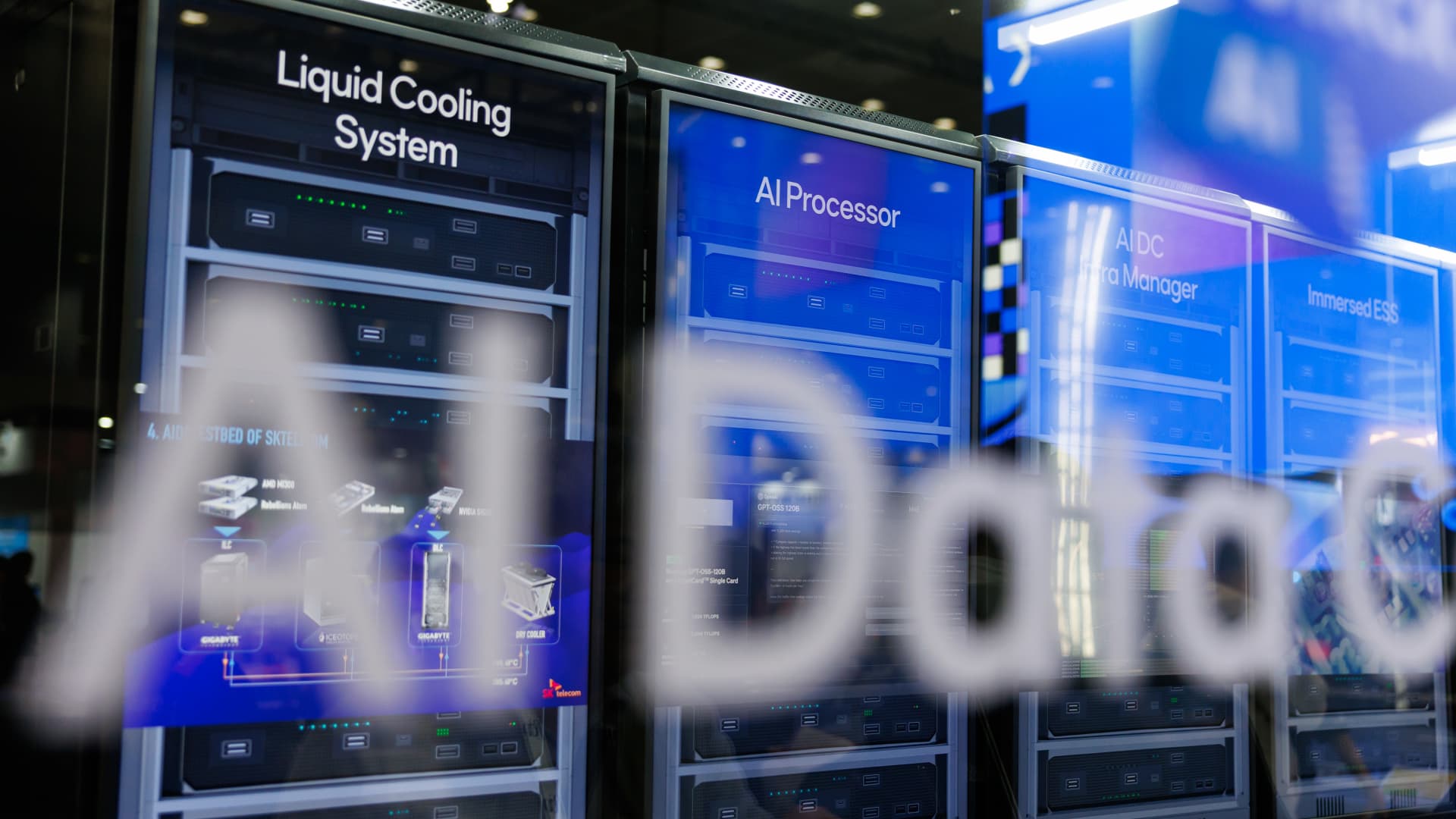
Compute capacity At the end of the second quarter, SpaceX reported 1.4 gigawatts of compute capacity. Just three months later, it has surpassed 1.7 gigawatts, putting the company on track to exceed 2 GW by the end of the year. Based on the midpoint of its pricing range, 1 GW of new capacity would be worth about $40 billion in annual revenue, so if this build-out stays on track, it could be a massive growth driver. 5.
Capex is growing It shouldn't come as too much of a surprise, but building gigawatts of compute capacity is expensive. SpaceX spent $19.6 billion on capex in the third quarter, $16.4 billion of which was spent on AI computing. So far in 2026, SpaceX's capital spending exceeded operating cash flow by about $35 billion.
To be sure, with about $90 billion in cash and securities on its balance sheet and less than $40 billion in debt, the company is in an excellent financial position to afford the build-out. But with CEO Elon Musk previously stating that the company should be closer to 10 GW than 5 GW by the end of 2027, the capex numbers could get significantly larger. The bottom line By virtually all metrics, this was an excellent quarter for SpaceX.
The business is growing much faster than analysts expected, Starlink is turning into a cash machine, and the AI segment's revenue is growing rapidly. If the company's massive AI spending continues to pay off, SpaceX could continue to grow its top line rapidly for years to come. Of course, SpaceX isn't a cheap stock at 93 times forward earnings.
It might be a good idea to limit position sizing and expect elevated volatility as the growth story plays out. But there's not a lot to dislike in the numbers SpaceX just reported, and its rapid growth could result in a far more palatable valuation in the not-too-distant future.
Source: The Motley Fool